If you’ve recently seen DTTM in a text message, social media comment, or online chat, you may be wondering what it means. Internet slang changes fast, and new abbreviations appear almost every day.
That’s why many people search for the DTTM meaning in text to understand conversations without feeling left out.
Like many texting acronyms, DTTM can have different meanings depending on the context. The intended meaning often depends on who is using it, where it is being used, and what the conversation is about.
Understanding these abbreviations can help you communicate more naturally on platforms like WhatsApp, Instagram, TikTok, Snapchat, and other messaging apps.
In this guide, you’ll learn what DTTM means, where it came from, how people use it, common mistakes to avoid, and examples of real life conversations that make the meaning easy to understand.
What Does DTTM Mean in Text & Chat?
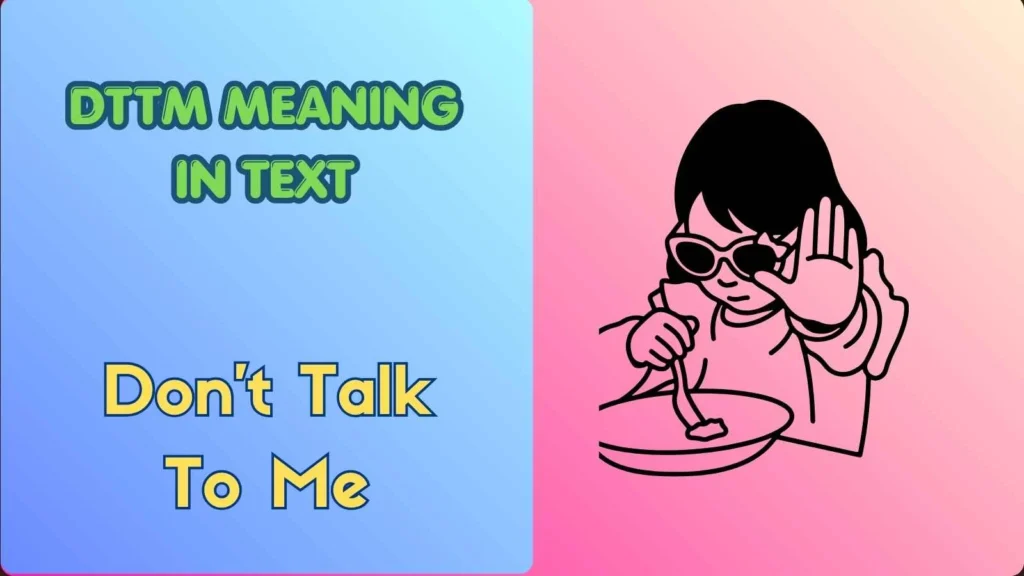
In texting and online messaging, DTTM is commonly interpreted as “Don’t Talk To Me.”
People use it when they want to be left alone, need some personal space, or are feeling upset, annoyed, tired, or frustrated. Depending on the tone of the conversation, DTTM can be serious, playful, or even sarcastic.
For example:
- “I just failed my test. DTTM right now.”
- “My team lost again 😭 DTTM.”
- “You ate my fries? DTTM 😂”
The meaning changes based on the situation. In some conversations, the sender genuinely wants privacy. In others, it’s used jokingly among friends.
Key points:
- Usually means “Don’t Talk To Me”
- Often expresses frustration or disappointment
- Can be serious or humorous
- Most common in casual online communication
Because tone can be difficult to understand through text alone, it helps to consider the overall conversation before assuming what someone means.
Full Form, Stands For & Short Meaning of DTTM
The most recognized full form of DTTM is:
DTTM = Don’t Talk To Me
This phrase is often shortened because texting culture encourages quick and efficient communication. Similar abbreviations include:
- BRB = Be Right Back
- IMO = In My Opinion
- IDK = I Don’t Know
- DTTM = Don’t Talk To Me
Short meaning:
- Leave me alone for now
- I need space
- I’m upset or annoyed
- I’m jokingly dramatic
When someone sends DTTM, they are usually expressing an emotional reaction rather than giving a literal instruction.
For instance:
- “I spilled coffee on my laptop. DTTM.”
- “They canceled my favorite show. DTTM.”
In both examples, the person is sharing frustration rather than completely refusing communication.
Origin, History & First Known Use of DTTM
The exact origin of DTTM is difficult to trace because internet abbreviations often develop organically through online communities and messaging platforms.
The phrase “Don’t Talk To Me” existed long before texting. As mobile messaging became more popular in the late 1990s and early 2000s, users began shortening common expressions into acronyms to save time and character space.
Over time, DTTM appeared in:
- SMS texting
- Online chat rooms
- Instant messaging services
- Social networking platforms
- Gaming communities
Unlike some slang terms that can be linked to a specific website or trend, DTTM seems to have evolved naturally from everyday conversation.
Its popularity increased as social media encouraged shorter messages and faster communication styles. Today, it remains one of many emotional reaction abbreviations used online.
How People Use DTTM in Daily Conversations
People use DTTM in many situations. Most often, it communicates frustration, embarrassment, sadness, or playful annoyance.
Common situations include:
After Bad News
- “My flight got canceled. DTTM.”
After an Embarrassing Moment
- “I waved back at someone who wasn’t waving at me. DTTM.”
During Stress
- “Three deadlines this week. DTTM.”
As a Joke
- “You spoiled the ending? DTTM 😂”
The expression is popular because it quickly communicates a feeling without requiring a long explanation.
People often use DTTM:
- With friends
- In group chats
- On social media
- During casual conversations
It is generally not appropriate for formal business communication because the tone can seem rude or unprofessional.
DTTM Meaning Across WhatsApp, Instagram, TikTok & Snapchat
The meaning of DTTM stays mostly the same across social platforms, but the way people use it may vary.
Used in private chats and group conversations.
Example:
- “I forgot my wallet at home. DTTM.”
Often appears in captions, comments, and stories.
Example:
- “Dropped my phone again. DTTM.”
TikTok
Used as a reaction to relatable videos.
Example:
- “When you study the wrong chapter. DTTM 😭”
Snapchat
Often sent with selfies, photos, or reaction snaps.
Example:
- “Bad hair day. DTTM.”
Across all platforms, the abbreviation usually signals disappointment, frustration, or humorous exaggeration.
Different Meanings of DTTM in Other Fields
Although “Don’t Talk To Me” is the most common texting meaning, DTTM can occasionally represent different phrases in specialized industries.
Possible alternative meanings may appear in:
- Business documents
- Technical systems
- Internal company terminology
- Project management tools
Because acronyms often have multiple interpretations, context is extremely important.
For example:
- In texting: DTTM = Don’t Talk To Me
- In a workplace document: DTTM may represent an organization-specific term
If you’re unsure, always look at the surrounding conversation before assuming the meaning.
Common Confusions, Mistakes & Wrong Interpretations
Many people misunderstand DTTM because internet abbreviations are not always standardized.
Common mistakes include:
Assuming It Is Always Serious
Sometimes DTTM is just a joke.
Example:
- “You finished the pizza without me. DTTM 😂”
Ignoring Context
The same acronym may mean different things in different settings.
Thinking It Is Aggressive
Often, DTTM is simply dramatic humor rather than genuine anger.
Confusing It With Similar Acronyms
People sometimes mix DTTM with:
- DM
- TTYL
- GTG
- IDC
Reading the full conversation usually prevents misunderstanding.
Similar Terms, Alternatives & Related Slang
Many slang terms express feelings similar to DTTM.
Popular alternatives include:
- IDC (I Don’t Care)
- SMH (Shaking My Head)
- UGH
- FML (informal slang)
- Leave Me Alone
- Not Today
- I’m Done
Examples:
- “My alarm didn’t go off. SMH.”
- “Another meeting? I’m done.”
- “Lost my keys again. UGH.”
These phrases communicate emotions similar to the feeling behind DTTM.
Internal Linking Suggestions
You may also link readers to related abbreviation guides such as:
- BTW Meaning in Text
- IDK Meaning in Text
- SMH Meaning in Text
- TTYL Meaning in Text
- IMO Meaning in Text
- FOMO Meaning in Text
Examples of DTTM in Real Chat Situations
Here are realistic examples showing how DTTM appears in conversations.
Example 1
Friend: Did you pass the exam?
You: Nope. DTTM 😭
2
Friend: I accidentally deleted our project.
You: DTTM right now.
3
Friend: Your favorite team lost again.
You: DTTM 😂
4
Friend: Guess who forgot their birthday?
You: DTTM. Seriously.
Quick Examples
- “I missed the bus. DTTM.”
- “My phone battery died. DTTM.”
- “They canceled the concert. DTTM 😭”
- “You beat me again? DTTM 😂”
- “I locked myself out. DTTM.”
How to Reply When Someone Says DTTM
Your response depends on the situation and tone.
1 If they seem genuinely upset:
- “I’m here if you need me.”
- “Take your time.”
- “Hope things get better.”
2 If they are joking:
- “Too late, I’m already talking.”
- “I’ll check back in five minutes 😂”
- “That’s rough.”
3 If you’re unsure:
- “Everything okay?”
- “Need to vent?”
- “Want to talk about it?”
A thoughtful response can prevent misunderstandings and show support.
Is DTTM Still Popular? Trends & Online Usage
Yes, DTTM is still used online, especially among younger users and active social media communities.
Several factors keep it relevant:
- Easy to type
- Expresses emotion quickly
- Fits social media culture
- Works across multiple platforms
However, newer slang appears constantly, so its popularity may fluctuate depending on trends and age groups.
Even so, DTTM remains easy to recognize because the phrase “Don’t Talk To Me” is simple, relatable, and useful in everyday online conversations.
Why DTTM Became Popular in Online Culture
Internet users love short expressions that quickly communicate emotions. DTTM gained attention because it allows people to express frustration, disappointment, exhaustion, or embarrassment in just four letters. Instead of writing a long explanation, users can instantly show how they feel.
The phrase also fits perfectly with modern internet humor. Many people use exaggerated reactions online, and DTTM often serves as a funny way to dramatize everyday problems.
Examples:
- “My phone fell in water. DTTM.”
- “The website crashed before checkout. DTTM.”
- “I studied the wrong chapter. DTTM 😭”
Its simplicity and emotional impact help explain why it continues to appear across social media platforms.
Emotional Meanings Behind DTTM
While DTTM literally means “Don’t Talk To Me,” the emotional message can vary significantly.
Possible emotions include:
- Frustration
- Disappointment
- Embarrassment
- Exhaustion
- Annoyance
- Playful sarcasm
For example, someone who says “DTTM” after spilling coffee on themselves probably feels embarrassed. Someone who says it after receiving bad news may be expressing genuine sadness.
Understanding the emotional context helps you interpret the phrase correctly.
When You Should Not Use DTTM
Although DTTM is common in casual conversations, it isn’t suitable for every situation.
Avoid using DTTM in:
- Professional emails
- Workplace communication
- Academic discussions
- Customer service interactions
- Formal business meetings
Because the phrase can sound dismissive, it may create misunderstandings in professional environments.
Instead, consider phrases like:
- “I need some time to think.”
- “Let’s discuss this later.”
- “I’m currently unavailable.”
These alternatives sound more respectful and professional.
DTTM vs Similar Internet Acronyms
Many abbreviations express negative emotions online, but each has a slightly different meaning.
| Acronym | Meaning | Typical Emotion |
|---|---|---|
| DTTM | Don’t Talk To Me | Frustration or embarrassment |
| SMH | Shaking My Head | Disapproval |
| IDC | I Don’t Care | Indifference |
| FML | Expression of bad luck | Disappointment |
| UGH | General frustration | Annoyance |
Knowing the difference helps users choose the right expression for each situation.
Generational Differences in DTTM Usage
Different age groups use internet slang differently.
Younger users often:
- Use DTTM humorously
- Add emojis
- Pair it with memes
- Use it in social media captions
Older users may:
- Use the full phrase instead
- Interpret it more literally
- Encounter it less frequently
These differences can sometimes create confusion during online conversations between generations.
How DTTM Appears in Memes and Viral Content
Memes frequently use DTTM as a punchline. The abbreviation works well because it instantly conveys a strong emotional reaction.
Popular meme themes include:
- School failures
- Relationship drama
- Sports losses
- Bad luck moments
- Everyday inconveniences
Examples:
- “When you realize the assignment was due yesterday. DTTM.”
- “When your alarm doesn’t ring. DTTM.”
Its meme-friendly nature helps keep the abbreviation relevant online.
Signs That DTTM Is Being Used Sarcastically
Not every DTTM message should be taken seriously.
Clues that it is sarcastic include:
- Laughing emojis 😂
- Crying-laughing emojis 🤣
- Obvious jokes
- Playful conversation history
- Exaggerated situations
Example:
Friend: “I took the last cookie.”
You: “DTTM 😂”
Here, the speaker is joking rather than genuinely upset.
How Brands and Influencers Use DTTM
Some brands and content creators use internet slang to connect with younger audiences.
You might see captions like:
- “When Monday arrives too fast. DTTM.”
- “Our reaction when the snacks run out. DTTM.”
Using relatable slang can increase engagement because followers recognize the emotion immediately.
However, successful brands use these terms carefully to avoid sounding forced or outdated.
The Future of DTTM in Internet Slang
Internet language constantly evolves. New acronyms emerge every year, while others disappear.
DTTM has survived because:
- The phrase is easy to understand.
- The emotion is universally relatable.
- It works across different platforms.
- It fits modern meme culture.
Although newer slang may compete for attention, DTTM remains recognizable and useful in casual digital communication.
Fun Facts About DTTM
Here are some interesting facts about DTTM:
- It is most commonly used in informal conversations.
- The phrase often expresses temporary emotions.
- Many users employ it jokingly rather than seriously.
- It appears in texts, captions, comments, and memes.
- Context is more important than the acronym itself.
These facts help explain why DTTM continues to be a familiar abbreviation in online communication.
Related Texting Abbreviations You Should Know
If you’re learning internet slang, you may also encounter:
- IDK – I Don’t Know
- BTW – By The Way
- TBH – To Be Honest
- TTYL – Talk To You Later
- IMO – In My Opinion
- FOMO – Fear Of Missing Out
- BRB – Be Right Back
- IKR – I Know, Right?
- NGL – Not Gonna Lie
- SMH – Shaking My Head
Learning these common abbreviations can make online conversations easier to understand and more enjoyable to follow.
FAQs:
What does DTTM mean in texting?
DTTM most commonly means “Don’t Talk To Me.” It is used to express frustration, disappointment, or a desire for temporary space.
Is DTTM rude?
Not always. Many people use it jokingly or dramatically rather than as a serious request to stop talking.
What does DTTM mean on Snapchat?
On Snapchat, DTTM usually means “Don’t Talk To Me” and often accompanies a reaction photo or message.
Is DTTM popular on TikTok?
Yes. TikTok users often use DTTM in comments, captions, and reactions to frustrating or relatable situations.
How should I respond to DTTM?
Consider the context. You can offer support, ask if they’re okay, or respond with humor if the situation seems playful.
Does DTTM have other meanings?
Yes. Like many acronyms, DTTM can represent different phrases in specialized fields, though “Don’t Talk To Me” is the most common texting meaning.
Conclusion:
Understanding the DTTM meaning in text is fairly simple once you know the context. In most online conversations, DTTM stands for “Don’t Talk To Me” and is used to express frustration, disappointment, stress, embarrassment, or playful annoyance.
While it may sound harsh at first glance, it is often used humorously among friends and social media users.
As with any internet slang, context matters. The same abbreviation can feel serious in one conversation and completely playful in another.
By paying attention to tone and surrounding messages, you’ll be able to understand DTTM correctly and respond appropriately.
The next time you see DTTM in a text, chat, or social media post, you’ll know exactly what the sender is trying to say.